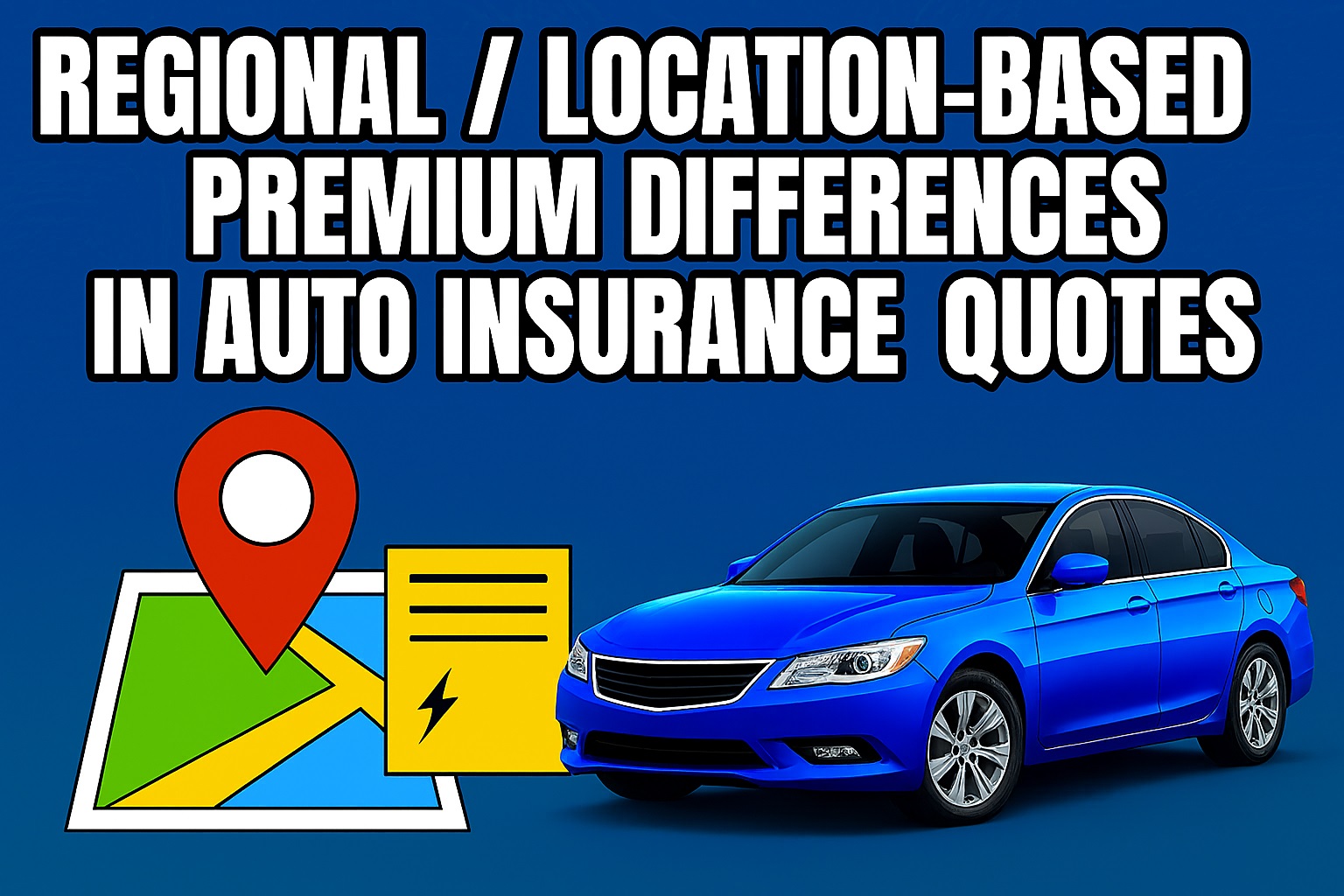
In 2025, your geographic location remains one of the most significant factors influencing auto insurance premiums. Where you live, work, and park your vehicle can create premium variations of over 300% between different regions of the United States.
Understanding these geographic disparities is crucial for both consumers shopping for insurance and anyone considering relocation. This comprehensive analysis explores the key drivers behind location-based pricing and what you can expect in different parts of the country.
State-by-State Premium Variations
Insurance regulations, risk factors, and market competition create substantial differences in average premiums across states. The most expensive states typically have combinations of high population density, costly healthcare, and severe weather risks.
Michigan
Annual Average Premium
No-fault state with unlimited PIPFlorida
Annual Average Premium
High fraud and weather risksCalifornia
Annual Average Premium
Strong regulation keeps costs downTexas
Annual Average Premium
Varied risks across urban/rural areasOhio
Annual Average Premium
Lower population densityMaine
Annual Average Premium
Rural character, low crime ratesUrban vs. Suburban vs. Rural Premium Differences
Within each state, your specific location type creates significant premium variations. Urban areas typically see the highest rates due to concentrated risks.
Urban Areas
Higher than state average
- More traffic congestion
- Higher accident rates
- Increased theft/vandalism
- Costlier repairs
Suburban Areas
Close to state average
- Moderate traffic density
- Balanced risk profile
- Good road maintenance
- Average claim frequency
Rural Areas
Lower than state average
- Less traffic congestion
- Lower accident rates
- Minimal theft/vandalism
- Fewer expensive claims
Key Factors Driving Location-Based Premiums
How Location Factors Influence Your Premium
Population Density
More vehicles per square mile increases accident probability
Claim Frequency
Historical accident rates in your zip code
Repair Costs
Local labor rates and parts availability
Theft & Vandalism Rates
Local crime statistics affecting comprehensive coverage
Weather Risks
Frequency of hail, floods, hurricanes, or winter storms
Medical Costs
Local healthcare expenses affecting injury claims
Regional Premium Adjustment Calculator
Estimate how location changes might affect your premium
Major City Premium Comparisons
Even within the same state, major metropolitan areas show significant premium variations based on local risk factors and regulatory environments.
Detroit, MI
Highest urban premiums due to high theft rates, dense traffic, and Michigan's unique no-fault system with unlimited PIP coverage.
Miami, FL
Elevated rates driven by hurricane risk, high population density, significant fraud activity, and expensive healthcare costs.
Los Angeles, CA
Moderate premiums despite dense population due to strong consumer protections, competitive market, and good road infrastructure.
Chicago, IL
Winter weather risks balanced by good public transportation reducing vehicle usage and comprehensive anti-fraud measures.
"Location-based pricing isn't about penalizing certain areas—it's about accurately reflecting the real risks and costs insurers face in different regions. Urban areas genuinely have higher claim frequencies and severities that must be accounted for in premium calculations." - Dr. Rebecca Myers, Insurance Geographic Analytics Expert
State Regulatory Impacts on Premiums
State insurance regulations create significant premium differences through various mechanisms:
No-Fault vs. Tort States
No-fault states typically have higher premiums due to required Personal Injury Protection (PIP) coverage:
- No-Fault States: Each driver's insurance covers their own injuries regardless of fault
- Tort States: The at-fault driver's insurance pays for injuries
- Choice States: Drivers can choose between no-fault and tort systems
Minimum Coverage Requirements
State-mandated minimum liability coverage creates baseline premium differences:
- Low Minimums: States like Florida (10/20/10) have lower required coverage
- High Minimums: States like Alaska (50/100/25) require more robust protection
- No-Fault PIP: Varying PIP requirements significantly impact premium costs
Strategies to Mitigate Location-Based Costs
Garaging Address Optimization
If you split time between locations, ensure your vehicle is primarily garaged in the lower-risk area for insurance purposes.
Secure Parking Discounts
Many insurers offer discounts for vehicles parked in garages, secured parking facilities, or gated communities overnight.
Usage-Based Insurance
Telematics programs can help offset location-based premiums by demonstrating safe driving habits regardless of where you live.
Higher Deductibles
Consider increasing your comprehensive and collision deductibles in low-risk areas to reduce premium costs.
Regular Market Comparisons
Different insurers weight location factors differently—regular shopping can find companies with more favorable geographic pricing.
2025 Trends in Location-Based Pricing
The insurance industry continues to refine how location factors into premium calculations:
- Hyperlocal Data Analytics: Insurers now use block-level data rather than zip code averages for more precise pricing
- Climate Change Adjustments: Increasing weather volatility is changing risk assessments in previously stable regions
- Infrastructure Quality Scoring: Road conditions and traffic management systems now factor into risk models
- Telematics Integration: Actual driving behavior data helps offset generic location-based assumptions
- Urban Mobility Shifts: Changing commuting patterns post-pandemic are reshaping urban risk profiles
Key Takeaways
- Location can create premium differences of 300% or more between regions
- Urban areas typically cost 45% more than rural areas for equivalent coverage
- State regulations, particularly no-fault systems, significantly impact baseline costs
- Multiple strategies exist to mitigate location-based premium increases
- Regular market comparisons can find insurers with more favorable geographic pricing
- Emerging technologies are creating more nuanced location-based risk assessment
While you can't change your location's inherent risk factors, understanding how insurers calculate geographic premiums empowers you to make informed decisions about coverage, explore cost-saving strategies, and potentially save hundreds of dollars annually on your auto insurance.