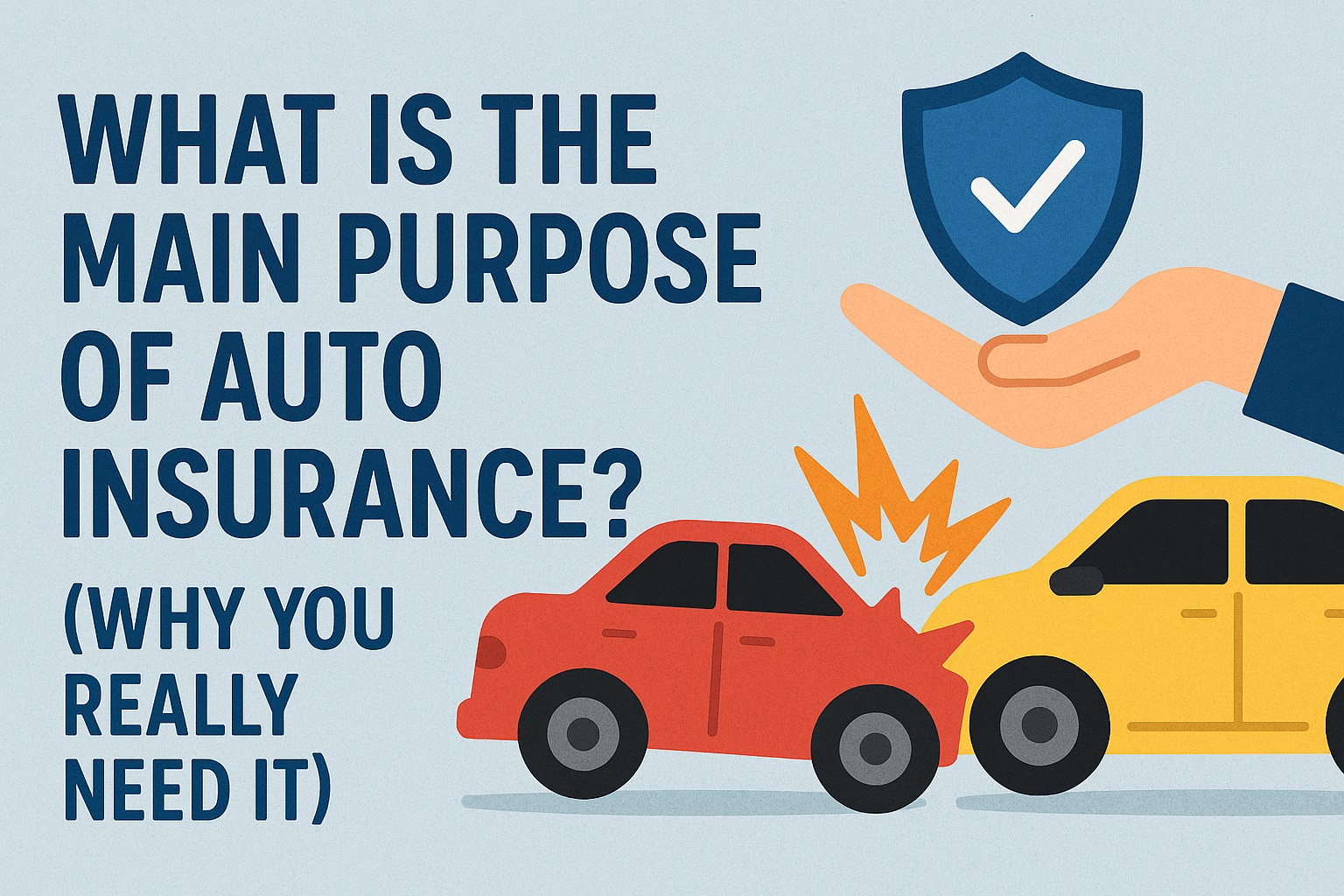
At its core, auto insurance is a contract between you and an insurance company designed to provide financial protection against losses related to your vehicle. In exchange for your premium payments, the insurer agrees to pay for specific types of damages or injuries as defined in your policy.
While most people know auto insurance is legally required, many don't fully understand its fundamental purposes. Beyond complying with state laws, auto insurance serves as an essential safety net that protects you from devastating financial consequences that can arise from accidents, theft, and other unexpected events.
Legal Requirement in Most States
Auto insurance is mandatory in every U.S. state except New Hampshire, and even there drivers must demonstrate financial responsibility. States typically require minimum levels of liability coverage to ensure drivers can cover costs if they cause an accident. Failure to maintain required insurance can result in fines, license suspension, and other penalties.
The Four Core Purposes of Auto Insurance
1. Liability Protection for Others
The Primary Financial Shield: This is the fundamental purpose of auto insurance. If you cause an accident, liability coverage pays for injuries to others (bodily injury liability) and damage to their property (property damage liability). Without it, you would be personally responsible for these costs, which can reach hundreds of thousands of dollars for serious accidents.
This coverage protects your assets—your savings, home, and future income—from being seized to pay accident-related judgments. It also covers legal defense costs if you're sued.
2. Protection for Your Vehicle
Safeguarding Your Investment: While liability insurance covers damage you cause to others, it doesn't cover damage to your own vehicle. That's where collision and comprehensive coverage come in:
- Collision: Covers damage from accidents with other vehicles or objects, regardless of fault
- Comprehensive: Covers non-collision damage from theft, vandalism, fire, natural disasters, and animal collisions
Lenders typically require both coverages if you have a car loan or lease.
3. Medical Expense Coverage
Healthcare After an Accident: Auto insurance helps cover medical costs for you and your passengers through several coverage types:
- Personal Injury Protection (PIP): "No-fault" coverage that pays medical expenses, lost wages, and essential services regardless of who caused the accident
- Medical Payments (MedPay): Covers medical and funeral expenses regardless of fault, but typically without the broader benefits of PIP
- Bodily Injury Liability: Covers medical expenses for others you injure in an accident you cause
These coverages can supplement health insurance and cover deductibles and co-pays.
4. Protection Against Uninsured Drivers
When Others Aren't Insured: Despite legal requirements, many drivers operate vehicles without insurance or with minimal coverage. Uninsured/underinsured motorist (UM/UIM) coverage protects you if you're hit by such a driver.
This coverage can pay for your medical expenses, lost wages, and vehicle repairs when the at-fault driver cannot. Some states require this coverage, while others make it optional but highly recommended.
Understanding How Auto Insurance Works
Key Insurance Components
The Policy Contract
Your auto insurance policy is a legal contract that specifies exactly what is covered, under what circumstances, and up to what dollar limits. It outlines your responsibilities (paying premiums, reporting accidents) and the insurer's responsibilities (paying valid claims). Policies typically renew every six months or year.
Premiums and Deductibles
Premium: The amount you pay (monthly, quarterly, or annually) to maintain your insurance coverage. Premiums are based on factors like your driving history, location, age, and the type of vehicle you drive.
Deductible: The amount you pay out-of-pocket before insurance covers the rest of a claim. Choosing a higher deductible typically lowers your premium but means you'll pay more if you have a claim.
Coverage Limits
Each type of coverage has a limit—the maximum amount your insurer will pay for a covered loss. Liability limits are often expressed as three numbers (e.g., 100/300/50):
- $100,000 for bodily injury per person
- $300,000 for bodily injury per accident
- $50,000 for property damage per accident
State minimums are often much lower than what's needed for adequate protection in serious accidents.
"Auto insurance isn't just about protecting your car—it's about protecting your financial future. The cost of a serious accident can be life-altering, but proper insurance transforms that catastrophic expense into a manageable premium." — Insurance Industry Expert
Beyond the Basics: Additional Protections
Modern auto insurance offers several optional coverages that address specific needs:
Gap Insurance
Covers the "gap" between what you owe on a car loan and the vehicle's actual cash value if it's totaled or stolen. New cars depreciate quickly, making this valuable for those with loans or leases.
Roadside Assistance & Rental Reimbursement
Roadside Assistance: Provides help for breakdowns, flat tires, lockouts, and towing.
Rental Reimbursement: Covers rental car costs while your vehicle is being repaired after a covered claim.
Key Takeaways: Why You Really Need Auto Insurance
- Legal Compliance: Required in 49 states and Washington D.C. to drive legally
- Financial Protection: Shields your assets from lawsuits and catastrophic expenses if you cause an accident
- Vehicle Protection: Covers repair or replacement costs for your own vehicle after accidents or other incidents
- Medical Coverage: Pays for medical treatments for you, your passengers, and others you might injure
- Peace of Mind: Provides confidence knowing you're protected from unforeseen financial disasters on the road
- Protection from Others: UM/UIM coverage safeguards you when other drivers lack adequate insurance
The true purpose of auto insurance extends far beyond a legal formality. It's a strategic financial tool that protects one of your most significant investments (your vehicle) while safeguarding your broader financial well-being from the potentially devastating costs of accidents. By understanding the various coverages available, you can build a policy that provides comprehensive protection tailored to your specific needs and risk profile.