Budgeting for commercial auto insurance can feel like a moving target. One business hears a low quote, while another gets a shockingly high one. In 2026, with a shifting insurance market and evolving risks, understanding the "why" behind your premium is more important than ever.
This guide breaks down the key cost drivers, provides realistic price ranges by vehicle type, analyzes the 2026 market trends, and gives you actionable strategies to secure the best possible rate for your business.
The Contractor's $3,500 Wake-Up Call
"A few years back, I advised a local landscaping company that had just purchased a used dump truck to expand their services. The owner, Sam, was initially quoted around $2,800 for insurance. He thought that was steep, so he called around and found a budget carrier offering a policy for just $1,900. He jumped on it.
The following spring, one of his employees, while hauling a load of soil, misjudged a turn and sideswiped a parked car. The damage was significant. When Sam filed the claim, the budget insurer launched a deep investigation. They discovered the employee had a speeding ticket from two years prior that Sam hadn't disclosed (he hadn't even known to ask for full driver records). The insurer denied the claim based on a 'material misrepresentation' clause.
Sam was personally liable for over $15,000 in damages and legal fees. His 'savings' of $900 cost him more than $3,500 out-of-pocket after his deductible on the new, proper policy he was forced to get. His lesson was brutal: 'The cheapest policy isn't a cost-saving; it's a gamble. And I lost.' Now, he invests in driver training and pays for a reputable, transparent policy. He sleeps better."
Understanding the Cost Ranges: What Can You Expect to Pay?
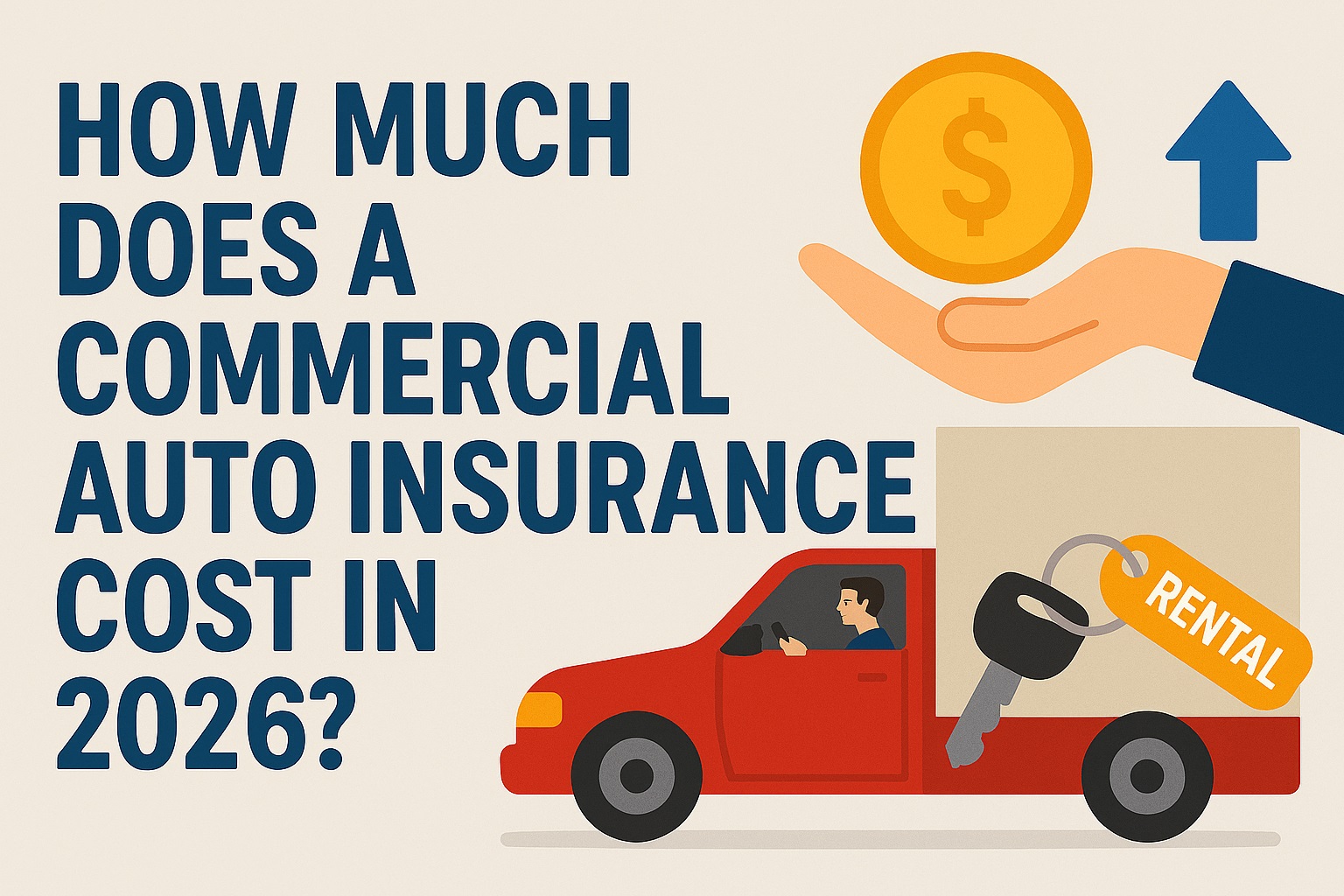
Commercial auto insurance isn't a one-price-fits-all product. Your premium is a direct reflection of your business's specific risk profile. However, industry data provides a framework for what businesses typically pay .
| Vehicle Type & Business Use | Typical Annual Premium Range (USD/CAD) | Key Risk Factors Influencing Cost |
|---|---|---|
| Light Vehicles (Cars, Vans, Pickups for deliveries, sales, services) |
$1,000 – $3,000 | Mileage, urban vs. rural routes, value of tools/cargo inside, driver records . |
| Medium Trucks (Box Trucks, Refrigerated Trucks, Small Dump Trucks) |
$2,500 – $6,000 | Cargo type (perishable, high-value), local delivery density, vehicle weight and size . |
| Heavy Tractor-Trailers (Long-Haul) | $6,000 – $12,000+ | Cross-border travel, cargo value, driver experience and hours, fleet safety programs . |
| Specialized Haulers & High-Risk (Tow Trucks, Flatbeds, Hazardous Materials) |
$6,000 – $30,000+ | Extreme danger of cargo, specialized equipment, high likelihood of severe accidents, stringent regulations . |
| Passenger Transport (Taxis, Shuttles, Buses) |
$3,000 – $12,000 | Number of passengers, hours of operation, area of service (downtown vs. rural), driver screening . |
The Personal vs. Commercial Policy Trap
If you or your employees use personal vehicles regularly for business tasks—even just meetings or deliveries—a personal auto policy will likely not cover a claim that occurs during business use. You need a commercial policy or a business-use endorsement. The financial risk of a denied claim far outweighs the slightly higher premium for proper coverage .
The 5 Biggest Factors Driving Your 2026 Premium
Insurers use a complex algorithm, but these five elements carry the most weight in determining your final cost .
1. Vehicle Type & Business Use
This is the foundation. A sedan used for occasional client meetings presents a fraction of the risk of a tanker truck hauling flammable liquid across the country. Insurers assess the potential severity of a worst-case accident. Heavy vehicles, those carrying valuable or dangerous cargo, and those with high annual mileage simply cost more to insure .
2. Driver History & Safety Programs
This is often the most controllable cost factor. Insurers will run motor vehicle records (MVRs) for every person who might drive a company vehicle. A single major violation or at-fault accident on a driver's record can increase your premium by 20% or more. Conversely, implementing formal driver training, using telematics to monitor for hard braking and speeding, and enforcing strict safety policies can earn significant discounts .
3. Business Location & Operational Radius
Where you operate drastically affects risk. A fleet based in a dense, high-traffic urban center will pay more than one in a rural area due to higher accident and theft rates. Furthermore, if your vehicles travel across state or provincial lines—or internationally into the U.S.—insurers factor in the complexity of different regulations and legal environments, which increases premiums .
4. Coverage Limits, Deductibles & Policy Add-Ons
Your choices directly impact price. Opting for state-minimum liability limits is cheaper but exposes your business to massive financial risk from lawsuits. Higher limits cost more. Similarly, a low deductible (e.g., $500) means you pay less out-of-pocket after a claim, but your annual premium will be higher. Choosing a higher deductible (e.g., $2,500) lowers your premium. Additional coverages like cargo insurance, hired/non-owned auto, and increased liability for hazardous materials all add to the cost .
5. Your Industry & Claims History
Insurers have historical data on claims frequency and severity by industry. A plumbing company will generally pay less than a roofing company (which carries heavy loads on highways) or a waste management service. Your own business's loss history over the past 3-5 years is critical. Even one major at-fault claim can elevate your risk category for years .
The 2026 Market Outlook: What's Happening with Rates?
Stable, But with Underlying Pressure
The commercial insurance market is entering a more competitive "soft market" phase in 2026 after several hard years. For businesses with excellent safety records and clean claims history, this means you may find more favorable terms and even slight decreases when you shop around .
However, don't expect across-the-board cuts. The commercial auto line faces specific, persistent pressures:
- Social Inflation: Continually rising jury awards and litigation costs keep liability and umbrella coverage expensive .
- Repair Cost Inflation: The price of parts, labor, and technology in vehicles continues to climb, increasing the cost of physical damage claims .
- Geographic & Catastrophe Risks: Businesses in areas prone to severe weather, wildfires, or high theft rates will still face scrutiny and higher premiums .
The bottom line for 2026: The overall market is projected to be "stable to modestly up" . Well-managed businesses can capitalize on competition, but those with higher risk profiles must prepare for firm pricing.
Action Plan: How to Lower Your Commercial Auto Insurance Costs
You have more control than you think. Implementing these strategies can lead to direct premium savings and reduce your long-term risk.
Proven Cost-Saving Strategies
- Build a Culture of Safety: This is #1. Institute mandatory driver training, use telematics/GPS tracking to encourage safe driving, and enforce a zero-tolerance policy for phone use behind the wheel. Present this formal program to insurers .
- Hire and Vet Drivers Meticulously: Thoroughly check the MVR of every potential driver. Consider only hiring those with clean records for at least 3-5 years .
- Increase Your Deductible: If your cash flow allows, opting for a higher deductible (e.g., moving from $1,000 to $2,500) can lower your annual premium significantly .
- Bundle Your Policies: Place your commercial auto, general liability, property, and other coverages with the same carrier. Insurers almost always provide a discount for multiple policies .
- Shop Around at Every Renewal: Don't auto-renew without getting competitive quotes. The soft market in 2026 means other carriers may be eager for your business .
- Communicate with Your Agent/Broker: Start your renewal process 90-120 days early. Provide a clean, organized submission with all your safety documentation. A good broker can negotiate on your behalf .
"In 2026, the lowest premium shouldn't be the ultimate goal. The goal is the right coverage at the best sustainable price. A cheap policy that collapses when you need it most is the most expensive purchase your business can make. Invest in risk management, and let your premium reflect that safety." — Industry Expert Analysis
Frequently Asked Questions (FAQ)
Navigating commercial auto insurance in 2026 requires a blend of market awareness and proactive risk management. While costs are influenced by external forces like inflation and litigation trends, your business holds significant power to control its destiny. By understanding the key rating factors, investing in safety, and working with a knowledgeable advisor, you can secure the robust coverage your business needs at a sustainable and competitive price.