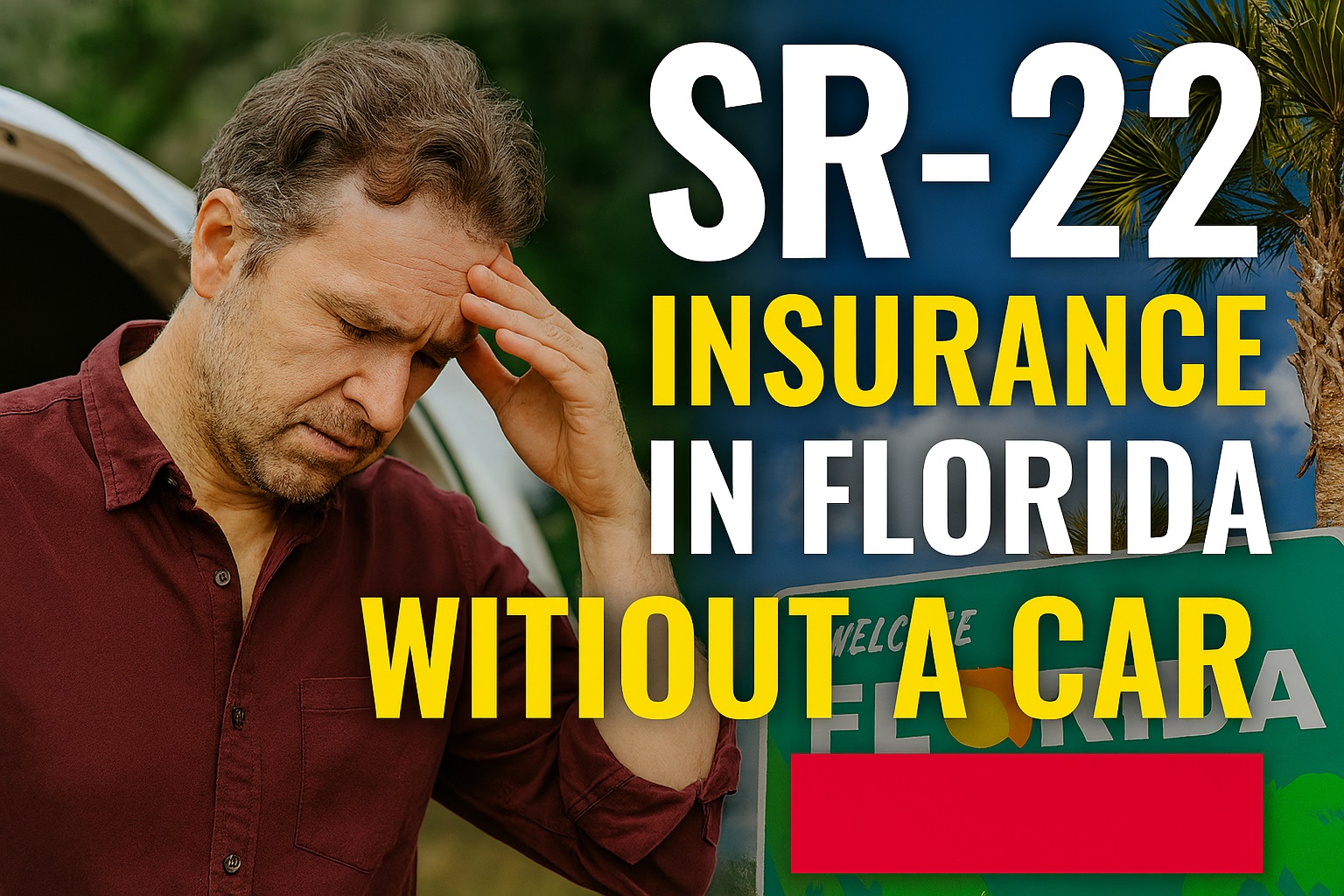
Facing SR-22 requirements in Florida when you don't own a vehicle can be confusing and stressful. Fortunately, non-owner SR-22 insurance provides a solution that meets state requirements while allowing you to maintain driving privileges using borrowed or rented vehicles.
This comprehensive guide explains everything Florida drivers need to know about obtaining and maintaining SR-22 certification without vehicle ownership, including 2025 cost data, coverage requirements, and expert tips for navigating the process successfully.
What is Non-Owner SR-22 Insurance?
Non-owner SR-22 insurance is a specialized policy designed for drivers who don't own a vehicle but need to prove financial responsibility to the Florida Department of Highway Safety and Motor Vehicles (DHSMV) . This certificate is typically required after serious driving violations like DUI convictions, driving without insurance, or accumulating excessive points on your driving record .
It's crucial to understand that an SR-22 isn't actually insurance - it's a certificate filed by your insurance company that proves you carry the state's minimum required liability coverage . The non-owner policy provides liability-only coverage that follows you as a driver rather than insuring a specific vehicle .
Key Differences: Non-Owner vs. Standard SR-22
- Vehicle Coverage: Non-owner policies cover you as a driver, not specific vehicles
- Cost Structure: Typically 22% cheaper than standard SR-22 policies
- Coverage Scope: Liability-only protection without comprehensive or collision
- Usage Limitations: Designed for occasional driving, not regular use of specific vehicles
Florida Non-Owner SR-22 Coverage Requirements
Florida law mandates specific minimum coverage amounts for all SR-22 policies, including non-owner plans. These requirements are designed to ensure you have adequate liability protection when driving any vehicle .
Florida Minimum Liability Requirements for SR-22
Bodily Injury Per Person
Covers injuries to one person in an accident you cause
Bodily Injury Per Accident
Total coverage for all injuries in one accident
Property Damage
Covers damage to others' property
While these are the legal minimums, many insurance experts recommend higher limits for better financial protection, especially given the increased scrutiny that comes with SR-22 status .
What Non-Owner SR-22 Insurance Covers
Understanding your coverage is essential for proper protection and compliance with Florida laws.
- Bodily Injury Liability: Covers medical expenses, lost wages, and pain and suffering for others you injure in at-fault accidents
- Property Damage Liability: Handles repairs to other vehicles, structures, and public property you damage
- Optional Coverages: Some policies offer uninsured motorist coverage or medical payments protection
"Non-owner SR-22 insurance provides a cost-effective way to get your license reinstated and ensure legal compliance. It maintains your coverage history, saving money when you purchase standard auto insurance in the future." - Insurance Industry Expert
What Non-Owner SR-22 Insurance Doesn't Cover
It's equally important to understand the limitations of non-owner policies to avoid unexpected coverage gaps.
- Damage to Vehicles You Drive: Does not cover repairs to borrowed or rented vehicles
- Your Medical Expenses: Your injuries and passenger injuries typically aren't covered
- Regularly Used Vehicles: Cannot substitute for standard insurance if you frequently drive the same vehicle
- Owned Vehicles: If you purchase a vehicle, you'll need a standard auto policy immediately
2025 Cost Expectations for Florida Non-Owner SR-22
Non-owner SR-22 insurance costs vary significantly based on your driving history, violation type, and other risk factors. Recent data shows national averages of $30-$85 monthly, with Florida rates typically in the $75 per month range .
Factors That Affect Your Non-Owner SR-22 Insurance Costs
Several key factors determine your final premium for non-owner SR-22 coverage in Florida:
- Violation Type and Severity: DUI convictions increase premiums more than other violations
- Driving History: Multiple violations lead to significantly higher costs
- Age and Experience: Younger drivers pay substantially more
- Coverage Limits: Higher liability limits increase your premium but provide better protection
- Location: Urban areas like Miami and Tampa often have higher rates
- Credit History: Poor credit can increase premiums by 30-50% in most states
Who Needs Non-Owner SR-22 Insurance in Florida?
This specialized coverage serves several specific groups of Florida drivers :
- Occasional Drivers: People who frequently rent cars or borrow vehicles but don't own one
- License Reinstatement Candidates: Drivers needing to restore suspended licenses after violations
- High-Risk Drivers Without Vehicles: Those deemed high-risk due to past offenses maintaining financial responsibility
- Transitional Drivers: Individuals between vehicles who need to maintain continuous insurance history
Florida Insurance Providers Offering Non-Owner SR-22
While many standard insurers may cancel policies after serious violations, several companies specialize in high-risk coverage and non-owner SR-22 policies .
| Provider | Specialization | Best For | Availability |
|---|---|---|---|
| The General | High-Risk Drivers | Multiple violations, DUIs | Statewide |
| Dairyland Insurance | Non-Standard Auto | Cost-conscious drivers | Statewide |
| Bristol West | SR-22 Specialists | DUI convictions | Statewide |
| Direct Auto | Florida Focus | First-time violations | Statewide |
Maintaining Your SR-22: Requirements and Timeline
Florida requires most drivers to maintain SR-22 certification for three years from the date their driving privileges are reinstated . However, any lapse in coverage during this period can reset the clock and trigger automatic license suspension .
Your insurance company files SR-22 with Florida DHSMV, starting the compliance period. You must maintain continuous coverage without any lapses.
Renew your policy annually and ensure your insurer files continuation certificates. Any cancellation triggers immediate license suspension.
After three years of continuous coverage, you can request SR-22 removal. Your insurer will notify DHSMV to release the requirement.
Frequently Asked Questions
Common Questions About Florida Non-Owner SR-22
- How long do I need SR-22 in Florida? Typically three years from license reinstatement, but any coverage lapse resets the period
- Can I get SR-22 without a car? Yes, through non-owner SR-22 policies specifically designed for this situation
- What happens if my policy lapses? Your insurer must notify DHSMV, resulting in automatic license suspension
- Is non-owner SR-22 cheaper than standard? Yes, typically about 22% less expensive than standard SR-22 policies
- Do I need SR-22 if I don't plan to drive? Yes, if required by court or DHSMV to maintain your license privileges
Action Plan: Obtaining Florida Non-Owner SR-22 Insurance
Follow these steps to secure your non-owner SR-22 coverage and reinstate your driving privileges:
- Verify Requirements: Contact Florida DHSMV to confirm exact SR-22 requirements and duration
- Shop Multiple Quotes: Compare rates from at least 3-4 specialized providers
- Purchase Policy: Select the best coverage option and complete the application process
- File SR-22: Ensure your insurer files the SR-22 form electronically with DHSMV
- Verify Filing: Confirm with DHSMV that your SR-22 has been accepted and processed
- Maintain Coverage: Set up automatic payments and avoid any coverage lapses for three years
Non-owner SR-22 insurance provides a practical solution for Florida drivers who need to meet financial responsibility requirements without vehicle ownership. By understanding the costs, coverage limitations, and maintenance requirements, you can successfully navigate the SR-22 process and work toward restoring your full driving privileges.