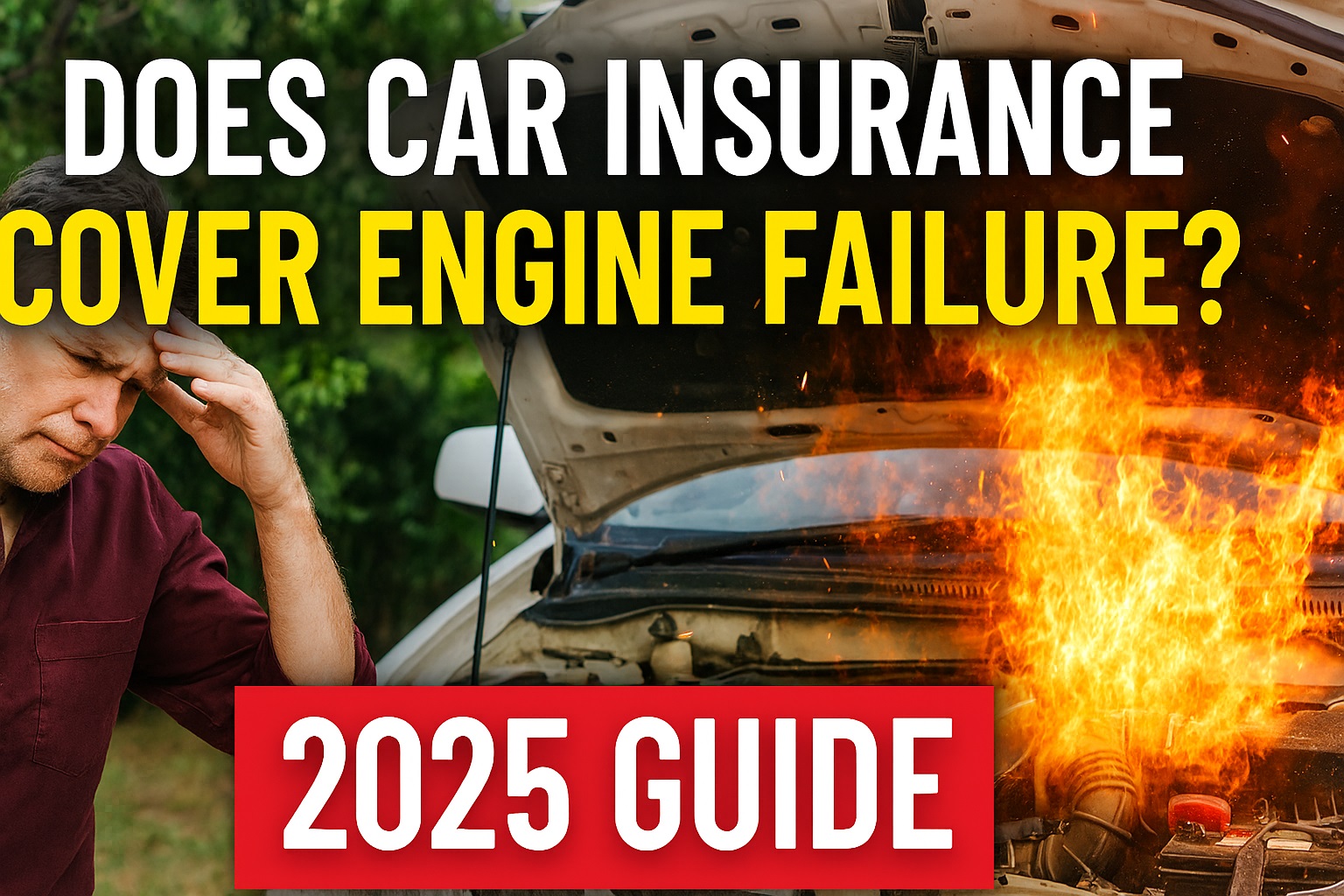
Engine failure represents one of the most expensive repairs a car owner can face, with costs often running into thousands of dollars. Understanding whether your car insurance covers this critical component can save you from unexpected financial strain and help you make informed decisions about your coverage needs.
This comprehensive guide examines when standard auto insurance policies cover engine repairs, what alternative protection options exist, and how to ensure you're properly protected against this costly automotive issue in 2025.
The Short Answer: When Engine Failure Is Covered
Standard car insurance policies generally do not cover engine failure resulting from mechanical problems, wear and tear, or lack of maintenance . However, there are specific circumstances where coverage may apply if you carry the right types of insurance.
Collision Coverage
Covers engine damage resulting from accidents where you hit another vehicle, object, or if another vehicle hits you . The engine damage must be directly caused by the collision incident.
Comprehensive Coverage
Protects against engine damage from non-collision events including fire, theft attempts, vandalism, natural disasters, severe weather, flooding, or animal damage .
Other Driver's Liability
If another driver is at fault in an accident that damages your engine, their liability coverage should pay for your engine repairs . This applies regardless of your own coverage types.
When Car Insurance Does NOT Cover Engine Failure
Understanding the limitations of your auto insurance policy is just as important as knowing what's covered. These are the most common scenarios where you'll need to look beyond standard insurance for engine protection.
Mechanical Breakdowns
Internal engine failures from defective parts, manufacturing issues, or mechanical problems aren't covered by standard policies .
Wear and Tear
Normal deterioration from age, mileage, or routine use falls outside insurance coverage . This includes engines worn down over time.
Poor Maintenance
Failure resulting from neglected oil changes, ignored cooling system issues, or other maintenance oversights isn't covered .
"The majority of standard car insurance policies DO NOT cover engine failure unless the issue was a direct result of an accident or other event covered by the provider. It is quite possible, though, that your manufacturer will help pay for some repairs if the car is newer or you have an extended warranty." - Heath's Auto Repair
Alternative Coverage Options for Engine Protection
Since standard insurance offers limited engine failure protection, these alternative options provide the comprehensive mechanical breakdown coverage most drivers need.
| Coverage Type | What It Covers | Best For | Limitations |
|---|---|---|---|
| Manufacturer Warranty | Repairs for defects in materials or workmanship, typically including powertrain components | New vehicles, certified pre-owned cars | Time/mileage limits, excludes maintenance issues |
| Mechanical Breakdown Insurance (MBI) | Engine failures and other mechanical problems after manufacturer warranty expires | Newer cars without warranty, luxury vehicles | Usually includes deductible, not all insurers offer it |
| Extended Warranty | Similar coverage to manufacturer warranty but purchased separately | Older vehicles, cars with expiring warranties | Varies by provider, may have many exclusions |
What About "Full Coverage" Insurance?
Many drivers mistakenly believe "full coverage" insurance protects against all potential problems, including engine failure. However, this term can be misleading .
In insurance terms, "full coverage" typically refers to a policy that includes both comprehensive and collision coverage in addition to state-required liability insurance . While this provides broader protection than minimum liability coverage, it still doesn't cover mechanical breakdowns, wear and tear, or maintenance-related engine failures .
Key Points About "Full Coverage"
- Not an official insurance term - describes a package of coverage types
- Includes comprehensive and collision coverage
- Still excludes mechanical breakdowns and wear-and-tear issues
- Does not cover poor maintenance consequences
- Provides no protection against manufacturing defects
Gap Insurance and Engine Failure
It's important to understand that gap insurance does not cover engine failure or mechanical repairs . This specialized coverage serves a very specific purpose: covering the difference between your car's actual cash value and the amount you still owe on your loan if your vehicle is totaled or stolen .
Gap insurance only activates when your car is declared a total loss under your comprehensive or collision coverage, and it won't provide any protection for repair costs associated with engine failure .
Roadside Assistance for Engine Failure
If you experience engine failure while driving, your insurance may help with the immediate consequences through roadside assistance coverage, if you have it as part of your policy .
- Towing: Roadside assistance typically covers towing to the nearest repair facility
- Claim Considerations: Using roadside assistance usually counts as a small claim
- Rate Impact: Frequent use could potentially affect your rates or lead to cancellation of the roadside assistance benefit
Preventing Engine Failure: Maintenance Tips
Since insurance rarely covers engine failure resulting from poor maintenance, following these preventive measures can save you from expensive repairs and coverage denials.
Essential Engine Maintenance Practices
- Regular Oil Changes: Follow manufacturer intervals using correct oil type to prevent improper lubrication
- Cooling System Maintenance: Monitor temperature gauges and address overheating immediately to prevent warped components
- Timely Servicing: Adhere to manufacturer service schedules and keep detailed records
- Ignition System Care: Replace worn spark plugs and coils to prevent running issues
- Proper Parts: Use OEM-quality filters and correct fluids as specified in your manual
Filing a Claim for Engine Damage
If your engine damage results from a covered event, follow these steps to file a successful claim :
- Document Everything: Take photos of the damage and the accident scene if applicable
- Provide Maintenance Records: Be prepared to show proof of proper maintenance
- Be Transparent: Never attempt to claim pre-existing mechanical issues as accident-related
- Understand the Process: Your insurer may require an inspection or use photo appraisal tools
- Know the Possible Outcomes: Severe engine damage may result in your vehicle being declared a total loss rather than repaired
Key Takeaways
- Standard insurance covers engine damage only from specific events like accidents, theft, or natural disasters - not mechanical failures
- Mechanical Breakdown Insurance (MBI) and warranties are the primary solutions for engine failure protection
- Proper maintenance is crucial since neglect-related failures are never covered
- "Full coverage" is a misleading term that doesn't include mechanical breakdown protection
- Gap insurance doesn't cover engine repairs - only the loan balance if your car is totaled
- Always be honest with your insurer about pre-existing mechanical issues to avoid fraud allegations
Understanding what your car insurance policy actually covers regarding engine failure can prevent unexpected financial shocks and help you secure appropriate additional protection. By combining proper maintenance with the right coverage options like Mechanical Breakdown Insurance or extended warranties, you can ensure you're protected against one of the most expensive automotive repair scenarios.