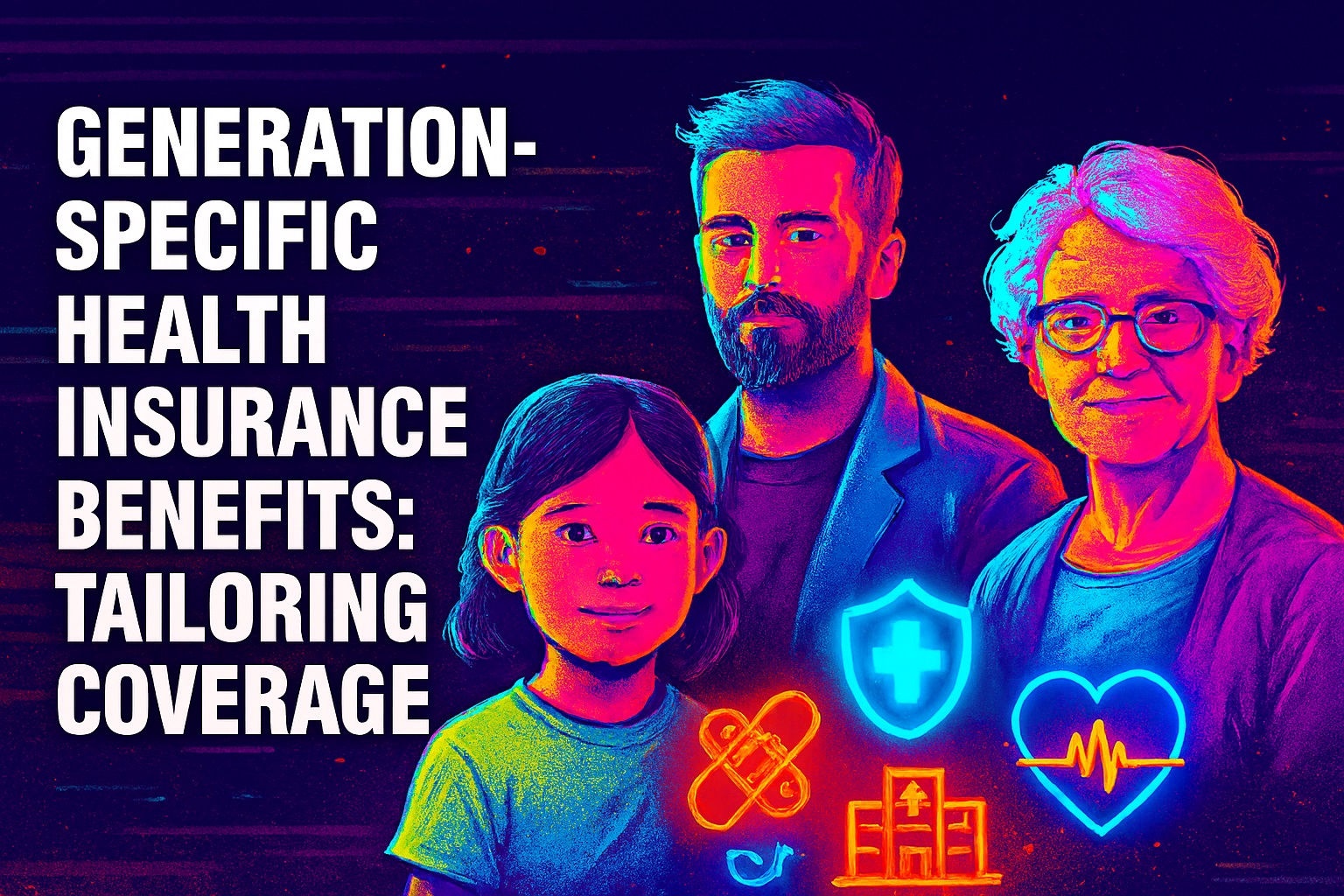
In 2025, the one-size-fits-all approach to health insurance is becoming obsolete. Forward-thinking insurers are now developing generation-specific health plans that address the unique medical needs, lifestyle preferences, and financial considerations of different age groups.
From Gen Z's digital-first mental health support to Baby Boomers' comprehensive chronic care management, personalized health insurance is revolutionizing how we approach healthcare coverage across life stages.
The Shift to Personalized Health Insurance
The traditional health insurance model treated all adults similarly, with minor adjustments for age brackets. Today, insurers recognize that different generations have distinct healthcare priorities, risk factors, and engagement patterns that demand tailored solutions.
Gen Z (Born 1997-2012): Digital Natives Seeking Mental Wellness
Gen Z
- Telemedicine and virtual care as primary options
- Comprehensive mental health and therapy coverage
- Preventive care for lifestyle-related conditions
- Digital health app subscriptions included
- Reproductive health and contraceptive coverage
- Student health and campus clinic networks
Gen Z, now entering the workforce in significant numbers, prioritizes digital accessibility and mental wellness. Their health insurance preferences reflect their tech-savvy nature and heightened awareness of psychological health.
Key Features: Unlimited telehealth visits, mental health app subscriptions (like Calm and BetterHelp), preventive nutrition counseling, and comprehensive reproductive health services. Many plans also include coverage for alternative therapies and wellness activities.
Millennials (Born 1981-1996): Balancing Family and Career
Millennials
- Family planning and fertility treatment coverage
- Pediatric and family care networks
- Stress management and burnout prevention
- Comprehensive maternity/paternity benefits
- Financial wellness and health savings options
- Ergonomic and workplace health services
Millennials are now in their prime family-building and career-advancement years. Their health insurance needs reflect this dual focus, with strong emphasis on family coverage, work-life balance, and financial planning.
Key Features: Enhanced fertility and IVF coverage, extensive pediatric networks, employer wellness program integration, flexible spending accounts, and comprehensive mental health support for managing work-related stress.
Generation X (Born 1965-1980): The Sandwich Generation
Generation X
- Chronic condition management programs
- Preventive screenings and health assessments
- Caregiver support and resources
- Musculoskeletal and joint care
- Vision and dental comprehensive coverage
- Health coaching and lifestyle management
Gen X faces the unique challenge of caring for aging parents while supporting their own children. Their health insurance needs focus on preventive care, chronic condition management, and caregiver support.
Key Features: Enhanced chronic disease management, comprehensive cancer screenings, caregiver respite services, joint and mobility treatments, and financial planning for future healthcare needs.
Baby Boomers (Born 1946-1964): Planning for Healthy Aging
Baby Boomers
- Comprehensive Medicare Advantage plans
- Chronic condition and medication management
- Mobility and home modification support
- Hearing and vision extensive coverage
- Long-term care and nursing services
- End-of-life planning and palliative care
Baby Boomers are focused on maintaining quality of life and managing age-related health conditions. Their insurance needs emphasize comprehensive coverage, accessibility, and support for independent living.
Key Features: Integrated Medicare coverage, extensive prescription drug formularies, home health services, medical equipment coverage, and advanced care planning services.
Lifetime Health Coverage Evolution
Ages 18-25: Foundation Building
Focus on preventive care, mental health, and establishing healthy habits. Coverage includes annual check-ups, vaccinations, and access to telehealth services.
Ages 26-40: Family Focus
Expanded coverage for family planning, pediatric care, and work-life balance support. Includes fertility treatments, maternity care, and child wellness programs.
Ages 41-60: Preventive Management
Increased focus on chronic condition prevention, cancer screenings, and managing age-related health changes. Includes comprehensive diagnostic coverage.
Ages 61+: Sustainable Aging
Comprehensive coverage for age-related conditions, mobility support, and quality of life maintenance. Integration with Medicare and long-term care options.
"The future of health insurance isn't about charging different prices for the same coverage—it's about providing different coverage for different life stages. Personalization leads to better health outcomes and higher member satisfaction." - Dr. MathsInsure, Healthcare Innovation Director
Technology's Role in Generation-Specific Insurance
Advanced technology enables the personalization of health insurance in 2025. Key technological drivers include:
- AI-Powered Risk Assessment: Algorithms analyze lifestyle data to predict health risks and recommend appropriate coverage levels
- Wearable Integration: Sync with fitness trackers and health monitors to provide real-time health insights and premium adjustments
- Personalized Health Platforms: Digital ecosystems that adapt content and services based on generation-specific needs
- Predictive Analytics: Identify emerging health trends within demographic groups to develop proactive coverage solutions
Find Your Generation-optimized Health Plan
Answer a few questions to discover which health insurance features matter most for your life stage
1. What's your primary healthcare concern right now?
2. How do you prefer to access healthcare services?
Choosing the Right Generation-Specific Plan
When evaluating generation-specific health insurance options in 2025, consider these factors:
- Life Stage Alignment: Does the plan address your current and near-future health needs?
- Flexibility: Can the plan adapt as your health needs change?
- Network Quality: Are there appropriate specialists for your generation's common health issues?
- Technology Integration: Does the plan offer digital tools that match your comfort level?
- Cost Structure: Are premiums and out-of-pocket costs appropriate for your financial situation?
Key Takeaways
- Generation-specific health insurance provides tailored coverage that addresses unique life stage needs
- Gen Z benefits from digital mental health services and preventive care
- Millennials need family planning support and work-life balance resources
- Gen X requires chronic condition management and caregiver support
- Baby Boomers focus on comprehensive aging support and Medicare integration
- Technology enables personalized risk assessment and coverage recommendations
- The right plan should align with both current needs and future health trajectory
The Future of Personalized Health Insurance
As we look beyond 2025, generation-specific health insurance will continue to evolve toward even more personalized solutions:
- Hyper-Personalization: DNA-based risk assessment and customized prevention plans
- Integrated Wellness: Seamless connection between health insurance, wellness programs, and lifestyle support
- Predictive Health Management: AI-driven early intervention for potential health issues
- Generational Transition Support: Smooth coverage transitions as members move between life stages
- Community Health Networks: Generation-specific support communities and shared resources
The era of personalized health insurance is just beginning. By understanding and leveraging generation-specific benefits, consumers can secure coverage that not only protects against medical costs but actively supports their health journey through every life stage.