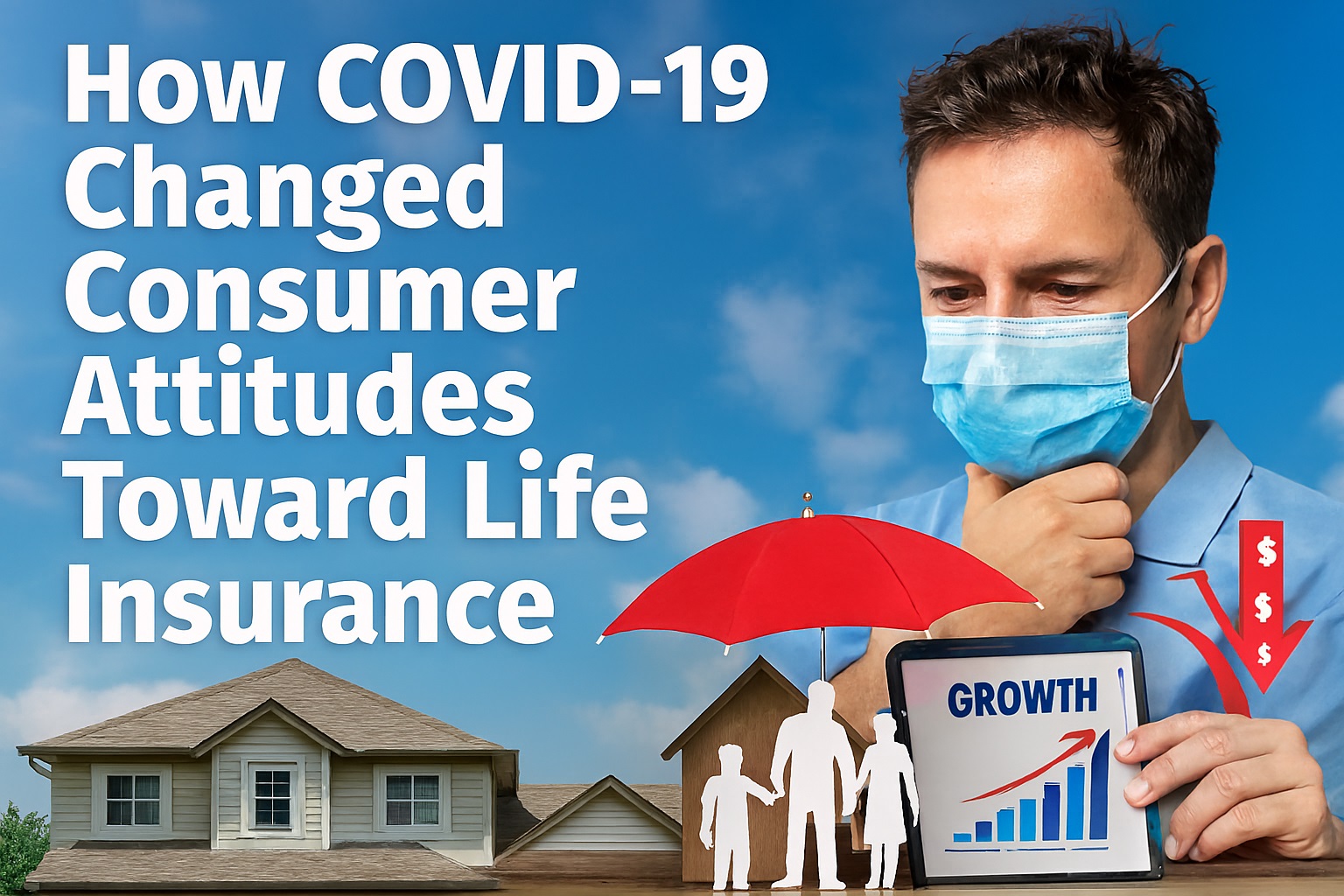
Five years after the global pandemic began, the COVID-19 crisis has left an indelible mark on how consumers perceive and purchase life insurance. What began as a temporary surge in demand has evolved into a fundamental reshaping of consumer attitudes, driving permanent changes in the insurance landscape that continue to influence the market in 2025.
The pandemic served as a massive, involuntary financial literacy event, forcing millions to confront their mortality and financial preparedness in ways they never had before.
The Immediate Impact: Pandemic-Driven Demand Surge
COVID-19's Direct Effect on Life Insurance
During the peak pandemic years of 2020-2022, life insurance applications surged by 35% compared to pre-pandemic levels. This wasn't just a temporary spike—it represented a fundamental shift in how people viewed financial protection. For the first time, many young, healthy individuals who had previously considered themselves "invincible" began seriously considering life insurance.
"The pandemic removed the abstraction from mortality. Suddenly, death wasn't something that happened to other people or in the distant future—it became a tangible, immediate concern that forced financial conversations families had been avoiding for generations." - MathsInsure, Behavioral Psychologist at Stanford University
The Evolution of Consumer Attitudes: 2020-2025 Timeline
Initial Panic and Awareness
Sudden mortality awareness drives emergency purchases. Traditional underwriting struggles with capacity as medical exams become challenging. Digital applications see initial surge but limited adoption.
Sustained Demand & Digital Acceleration
Continued high demand as pandemic waves continue. Digital adoption becomes necessity rather than choice. Insurers rapidly develop no-medical-exam options and accelerate AI underwriting.
Normalization & New Expectations
Demand stabilizes at higher baseline than pre-pandemic. Consumers now expect digital-first experiences. Pandemic becomes integrated into risk models and product design.
Permanent Transformation
New consumer attitudes become entrenched. Digital adoption reaches majority. Pandemic-driven product innovations become industry standard. Higher baseline awareness and demand continue.
Fundamental Attitude Shifts
Pre-Pandemic Mindset
- "It won't happen to me" mentality
- Life insurance as optional expense
- Procrastination on financial planning
- Preference for in-person interactions
- Focus on investment returns over protection
Post-Pandemic Reality
- Acute awareness of mortality risks
- Life insurance as essential protection
- Proactive financial preparedness
- Comfort with digital experiences
- Value placed on security and peace of mind
Demographic Breakdown: Who Changed Most?
Previously the most underinsured generation, now driving market growth with digital-first approach
Entering insurance market earlier than previous generations with strong digital expectations
Increased financial independence and awareness driving higher participation rates
Disproportionate pandemic impact driving increased protection awareness and purchases
The Digital Transformation Acceleration
Pandemic-Driven Digital Adoption
The necessity of social distancing and remote interactions during the pandemic accelerated digital adoption in the life insurance industry by nearly a decade.
What began as pandemic necessity has become consumer expectation. In 2025, 67% of life insurance applications are completed entirely digitally, up from just 22% in 2019. This shift has permanently changed how insurers operate and consumers shop for coverage.
Consumer Voices: Real Stories of Changed Perspectives
Industry Response and Adaptation
Accelerated Digital Underwriting
Rapid adoption of AI and predictive analytics to handle increased volume and enable no-medical-exam policies for qualified applicants.
Simplified Issue Products
Development of streamlined products with faster approval times and simplified health questions to meet urgent consumer demand.
Digital-First Channels
Massive investment in online platforms, mobile apps, and virtual agent capabilities to serve consumers preferring digital interactions.
Educational Content
Increased focus on financial literacy and plain-language explanations to address consumer questions and concerns.
Lasting Changes in Consumer Behavior
Permanent Shifts in 2025
The pandemic-induced changes in consumer attitudes toward life insurance have proven to be enduring rather than temporary:
- Earlier Purchasing: Average age of first-time life insurance purchase has dropped from 35 to 29
- Higher Coverage Levels: Average policy face amounts have increased by 28% since 2019
- Digital Expectations: Consumers now expect seamless digital experiences as standard
- Increased Financial Literacy: Greater understanding of insurance needs and product types
- Proactive Mindset: Less procrastination and more proactive financial planning
- Broader Demographic Reach: Significant increases in coverage among previously underinsured groups
Future Implications and Ongoing Impact
As we move further beyond the pandemic in 2025, the changes in consumer attitudes continue to shape the life insurance industry:
- Sustained Higher Demand: The baseline for life insurance ownership has permanently increased across all age groups
- Product Innovation: Continued development of flexible, customizable products meeting evolving consumer expectations
- Digital Standardization: Digital processes that were accelerated by the pandemic have become industry standard
- Preventive Focus: Growing interest in products that combine protection with wellness and preventive benefits
- Generational Shift: Younger generations entering the market with different expectations and digital fluency
"The COVID-19 pandemic served as the single most significant catalyst for change in the life insurance industry since the invention of actuarial science. It didn't just temporarily increase demand—it fundamentally rewired how consumers think about mortality, financial responsibility, and protection." - Lisa Chen, Insurance Industry Analyst at McKinsey & Company
Key Takeaways
- The pandemic created a permanent increase in mortality awareness and financial preparedness among consumers
- Life insurance applications surged by 35% during peak pandemic years, with sustained higher baseline demand
- Millennials and Gen Z showed the largest increases in coverage, reversing previous underinsurance trends
- Digital adoption accelerated by nearly a decade, with 67% of applications now completed online
- Consumer expectations have permanently shifted toward digital-first, transparent experiences
- The industry response has led to lasting product innovation and process improvements
- These changes represent a fundamental and enduring transformation in the life insurance landscape
The COVID-19 pandemic, while devastating in its human and economic costs, ultimately served as a powerful catalyst for positive change in life insurance awareness and accessibility. The increased financial protection and peace of mind that millions gained during this period represent a silver lining that will benefit families and communities for generations to come.